What does an EICR test involve? | MP Electrical Honiton

What does an EICR test actually involve?

If you've been told you need an Electrical Installation Condition Report — or you're a landlord, homeowner, or business owner in East Devon trying to understand what you're booking — this guide walks you through exactly what happens, start to finish.

Honiton, Devon NICEIC Registered Written by a qualified electrician

What is an EICR and why does it matter?

An EICR — Electrical Installation Condition Report — is a formal assessment of the fixed wiring and electrical installation in a property. It's not a test of your appliances or light fittings; it's a thorough inspection of everything that's built in — your consumer unit (fuse board), the cables behind your walls, your sockets, switches, and the circuits that connect them all.

Whether you're a landlord in Sidmouth with a legal compliance deadline, a homeowner in Honiton who hasn't had the wiring checked in over a decade, or a business owner in Axminster or Exeter with a commercial premises to maintain — an EICR gives you an independent, qualified assessment of whether your electrical system is safe and fit for purpose.

Existing & potential wiring faults
Identifying deterioration, damage, or poor previous workmanship before it becomes a safety issue.
Existing & potential dangers
Uncovering shock or fire risks that may not be visible or obvious without formal testing.
Non-compliance with BS7671
Checking your installation against current UK wiring regulations — essential for landlords and commercial premises.
Overall suitability
Confirming the system is appropriate for how the property is actually being used today.

What happens during the inspection?

An EICR isn't a single test — it's a structured process carried out in stages. Here's what our electricians work through on every inspection across East Devon.
01
Initial visual assessment
Before any testing begins, we carry out a thorough visual inspection of the installation. This means checking the consumer unit (fuse board), identifying the type of electrical system, assessing earthing arrangements, and confirming that protective bonding is in place where required. In older Devon properties — particularly period cottages or farmhouses with original wiring — this stage can reveal a lot before a single test is run.
Consumer unit Earthing Bonding System type
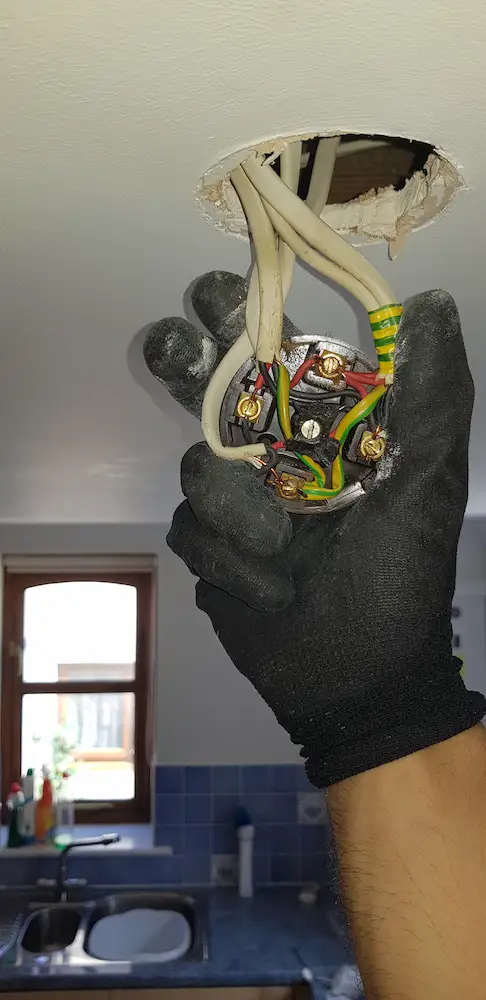
Electrician checking connections during an EICR inspection in East Devon
Checking connections during an EICR — East Devon
02
Circuit-by-circuit testing
Once the initial checks are complete, we test each individual circuit in the property. This is the most time-intensive part of the inspection — and the part that requires the power to be switched off. Every circuit is tested for continuity of protective conductors, insulation resistance, correct polarity, and the proper operation of protective devices such as RCDs and RCBOs. Each result is recorded and assessed against BS7671.
Continuity Insulation resistance Polarity RCD testing
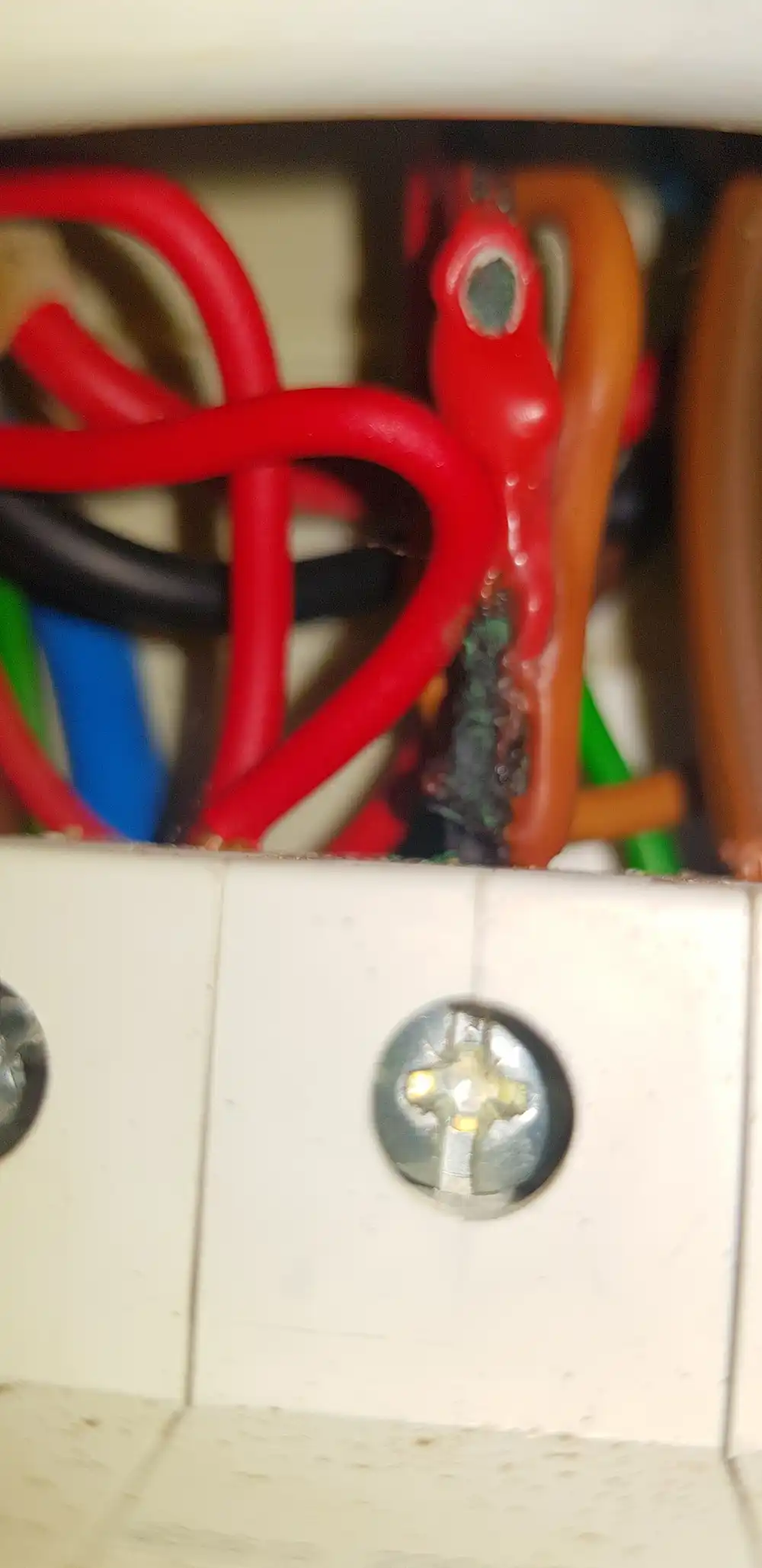
Overheated cables found during EICR electrical inspection, East Devon
Overheated cables — found during circuit testing, East Devon
03
Results assessment & report
Once all testing is complete, your electrician assesses every result against current wiring regulations. Circuits that comply receive a pass. Any non-compliances or defects are assigned an observation code — C1, C2, C3, or FI — depending on the severity. The full results are compiled into your EICR certificate, which is the official document you'll receive at the end of the visit. We'll walk you through every observation clearly before we leave.
EICR certificate issued Observation codes BS7671 assessment

What the observation codes mean

If your EICR contains any observations, each one will carry a code that indicates severity. Here's what each code means and what action is required.

C1
Danger present
Risk of injury. Immediate remedial action is required — this type of observation means the installation poses an immediate risk and must be addressed before the report can be issued as satisfactory. In serious cases, circuits may need to be disconnected on the day.
C2
Potentially dangerous
Urgent remedial action required. A C2 means a fault or deficiency exists that has the potential to become dangerous. It won't necessarily cause immediate harm, but it needs to be addressed promptly — the EICR will be issued as unsatisfactory until it is resolved.
C3
Improvement recommended
Not immediately dangerous, but worth addressing. A C3 observation means the current situation doesn't meet best practice or current standards — though it's not necessarily unsafe as it stands. A C3 alone won't cause your EICR to fail, and acting on it is at your discretion.
FI
Further investigation required
Something requires more investigation before a proper classification can be given. An FI code means the inspector has identified an issue that needs further examination — without delay. This typically means a follow-up visit or more detailed investigation is needed before a final outcome can be confirmed.

How long does an EICR take?

One of the most common questions we get from homeowners and landlords across East Devon. The honest answer is that it depends on your property — but here's a practical guide to what affects the time.

Property size
More circuits means more testing time. A typical 2-bedroom house in Honiton or the surrounding villages usually takes around 2–3 hours. A larger 4-bed family home will typically run to half a day or more.
Age of the property
East Devon has a large stock of older period properties — cottages, farmhouses, and Victorian terraces where the wiring may be decades old. Older installations often require greater levels of inspection and care, which naturally adds time to the process.
Previous test records
If you have records of a previous EICR carried out on the property, our electrician can use professional judgement to reduce the level of testing required on circuits that were previously satisfactory — saving time and keeping costs down where the regulations allow.
Commercial premises
Commercial EICRs vary considerably. A small retail unit in Honiton High Street might be completed in a morning, while a larger premises in Exeter or a farm complex across the Blackdown Hills could require a full day or more — often planned around opening hours and access to critical circuits.

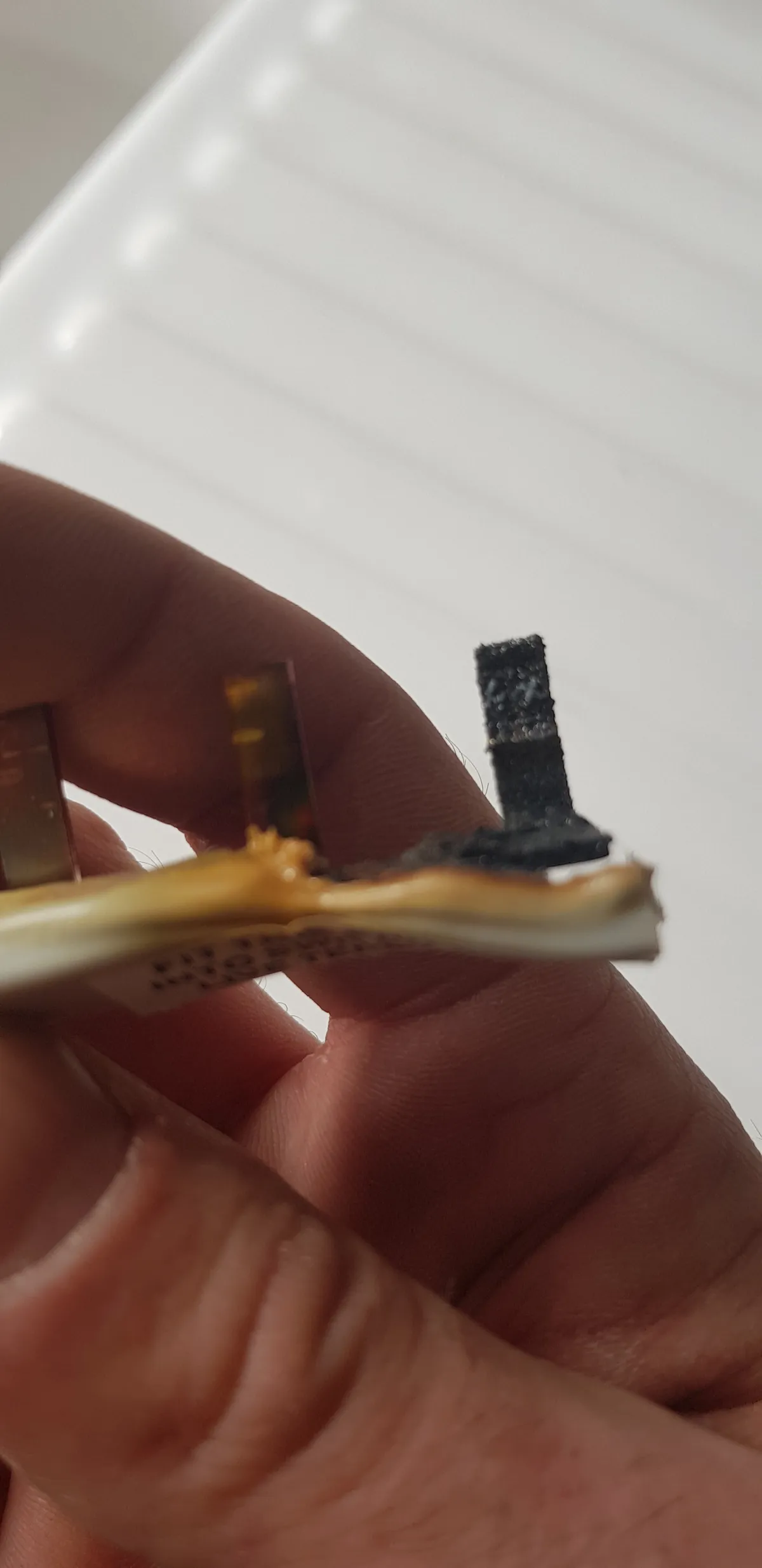
Loose connection to busbar found during electrical inspection in Sidmouth
Loose busbar connection — found during electrical inspection, Sidmouth

A note from the team

We've been carrying out EICRs across East Devon for over 20 years — in everything from modern new builds to 300-year-old thatched farmhouses. Older Devon properties often present wiring that predates current standards by several decades, and our experience with those buildings means we know what to look for and how to approach the findings practically and honestly.


Where we work
EICR inspections across Honiton & East Devon

MP Electrical is based in Honiton and carries out EICR inspections across the whole of East Devon and beyond — from rural farmhouses in the Blackdown Hills and Otter Valley to rental properties along the coast and commercial premises in Exeter. We know the area, we know the property types, and we've tested everything from Victorian terraces to modern new builds.

Honiton Sidmouth Ottery St Mary Axminster Seaton Colyton Exeter Lyme Regis Blackdown Hills Otter Valley Sid Valley

Ready to book your EICR in Honiton or East Devon?

We provide a fixed price before any work begins — no hidden extras, no surprises. Call us with the details of your property and we'll give you an accurate quote. Same-day response, NICEIC registered, and all remedial work carried out under one roof if needed.