The basics
What is an EICR?
An EICR — Electrical Installation Condition Report — is a full inspection of the fixed electrical installation in your rental property. The wiring, the consumer unit, the sockets, the circuits. Carried out by a qualified electrician. Takes a few hours depending on the size of the property.
At the end you get a written report. Every issue is given a code. To get a satisfactory result your property needs no C1s, C2s, or FIs on the report.
C1
Danger present. Needs fixing immediately. The report is unsatisfactory and circuits may need to be disconnected on the day.
C2
Potentially dangerous. Needs fixing urgently. The report is unsatisfactory until the work is completed and confirmed in writing.
C3
Improvement recommended. Not required to pass, but worth doing. A C3 alone won't fail the report — but it tells you something about the age or standard of the installation.
FI
Further investigation required. An issue exists that needs more investigation before it can be classified. The report is unsatisfactory until the investigation is completed.
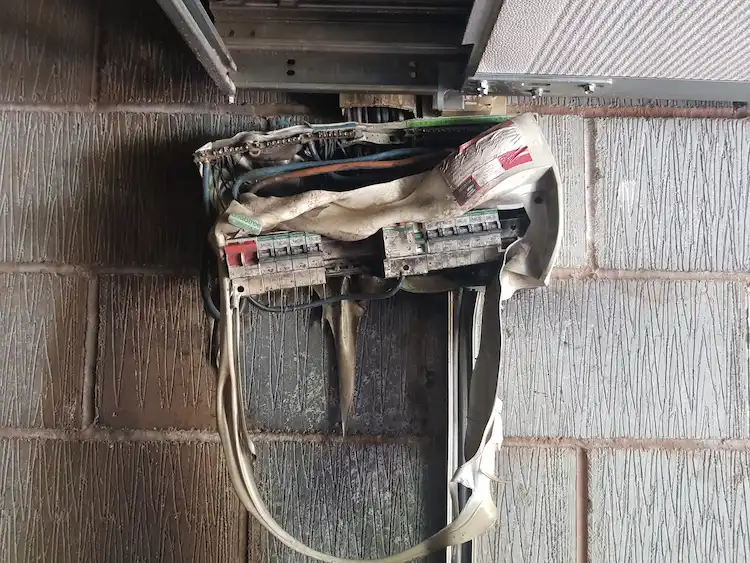
Compromised consumer unit — found during EICR inspection, East Devon
5 yrs
Maximum validity of an EICR — some older properties are given shorter intervals
£40k
Maximum fine for non-compliance — increased from £30,000 in November 2025
28 days
To complete remedial work after a failed report — sometimes less if the report specifies it
Your obligations
Is it a legal requirement?
Yes. Has been since 2020.
If you rent out a private residential property in England you must have a valid EICR in place. There are no exceptions for small landlords, accidental landlords, or people who've only just started renting a property out.
You must give a copy to your tenant within 28 days of the inspection. You must hand one over to the local authority within 7 days if they ask. And you must get any remedial work completed within 28 days of the report date.
If you've seen £30,000 cited elsewhere
That figure is out of date. The maximum penalty increased to £40,000 in November 2025. Some articles still ranking on Google haven't been updated. Local authorities also have stronger enforcement powers than when the rules first came in.
Renewal timing
How often do you need one?
Every five years. Or sooner if the report specifies a shorter interval — which it sometimes does for older or larger properties.
One thing worth knowing: there's no anniversary rule with EICRs. If you renew early the five-year clock resets from the new inspection date, not your original one. So you lose any remaining time on your old certificate by renewing ahead of schedule.
That said — booking a few weeks early is still better than drifting past your expiry date without realising it.
Demand is high right now
A large number of certificates from the 2020 and 2021 rollout are all expiring within the same window. Qualified electricians across East Devon are busy. If you need a renewal — book it now, not when you're close to the wire.
Unsatisfactory results
What if my property fails?
A fail means a C1, C2, or FI on the report.
You have 28 days to get the remedial work done. Sometimes less — if the report specifies a shorter timescale you have to meet it.
Once the work is done your electrician provides written confirmation. That letter sits alongside the original report. Both go to your tenant within 28 days of the work being completed. Both go to the local authority on request.
If you ignore it, the local authority can arrange the work themselves — and bill you for it. That's before any fine is applied.
If further investigation is still required
The process repeats until the report is fully satisfactory. A new written confirmation is needed each time. Keep every letter alongside the original EICR — you'll need the full paper trail if the local authority asks.
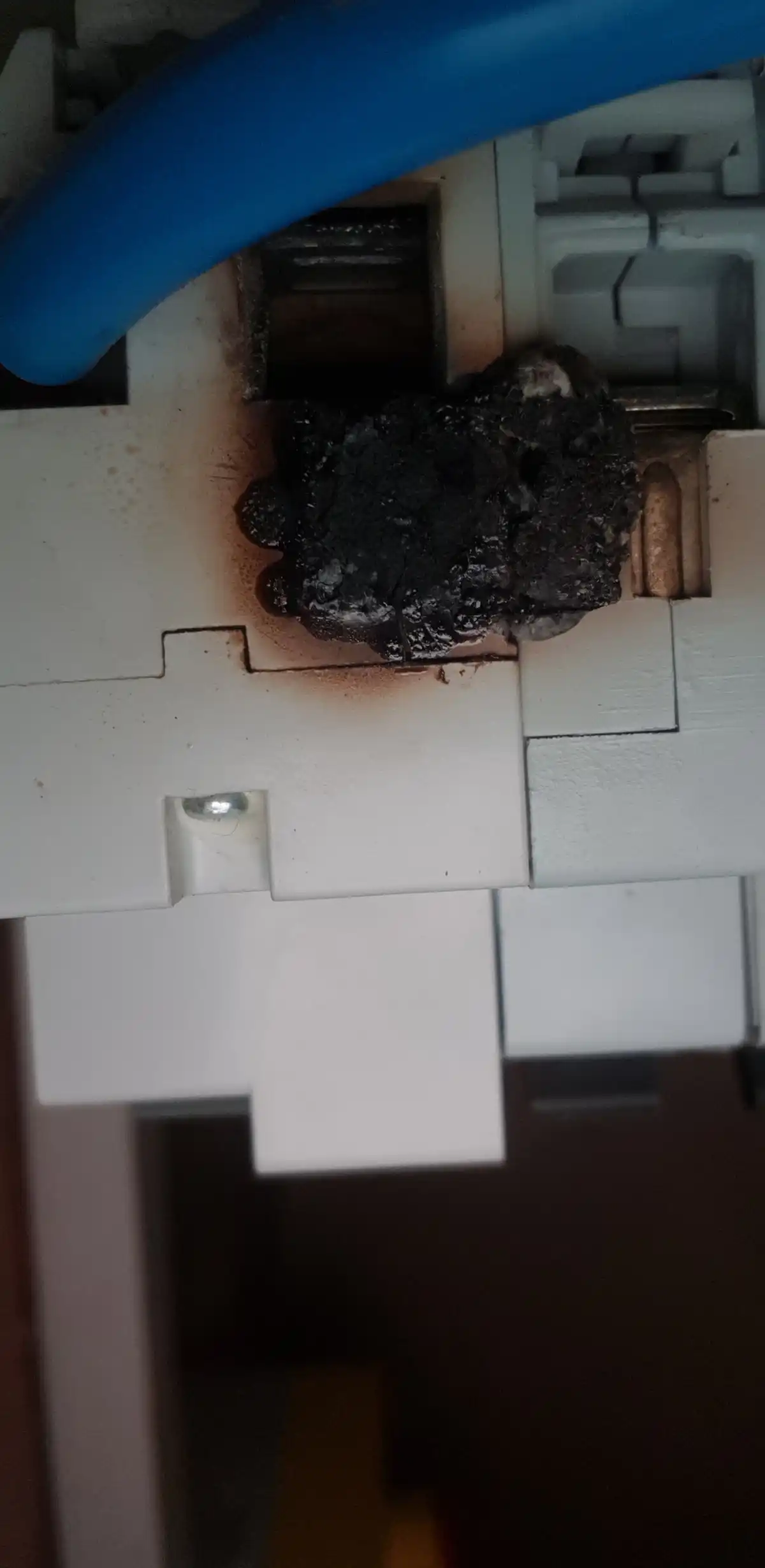
Overheated main switch — C1 finding during EICR inspection, Honiton
Get this right
The paperwork checklist
This is the part most landlords get wrong — not the inspection itself, but what happens after it. Here is every document you need to hand over, who gets it, and when.
Document distribution — who gets what and when
| Document |
Recipient |
Deadline |
Notes |
| EICR report |
Existing tenant |
Within 28 days of inspection |
— |
| EICR report |
New tenant |
Before they move in |
Not within 28 days — before occupation |
| EICR report |
Prospective tenant |
Within 28 days of their written request |
If they ask before signing |
| EICR report |
Local authority |
Within 7 days of their written request |
Must supply on demand — no exceptions |
| Remedial letter |
Tenant |
Within 28 days of work completion |
Only required if C1, C2, or FI found |
| Remedial letter |
Local authority |
Within 28 days of work completion |
On request |
| EICR report |
Next electrician |
Before the next inspection |
They need the previous report to work from |
The remedial confirmation letter must come from the electrician who carried out the work. It must confirm in writing that the identified issues have been resolved and that the installation now meets the required standard. Keep a copy alongside the original EICR.
Local reality
Older properties in Devon
Older homes fail more often. That's just the reality.
East Devon has a huge stock of period properties. Thatched cottages. Cob farmhouses. Victorian terraces. 1960s and 1970s builds that have never been properly updated. Many still have consumer units without RCD protection. Some have wiring that hasn't been touched in forty or fifty years. Others have DIY additions from previous owners that were never compliant.
A C2 finding on an older Devon property isn't unusual. What matters is understanding exactly what needs doing and getting it sorted properly. If you're a landlord with an older East Devon property and you're not sure what state the electrics are in — that's precisely what an EICR is for.
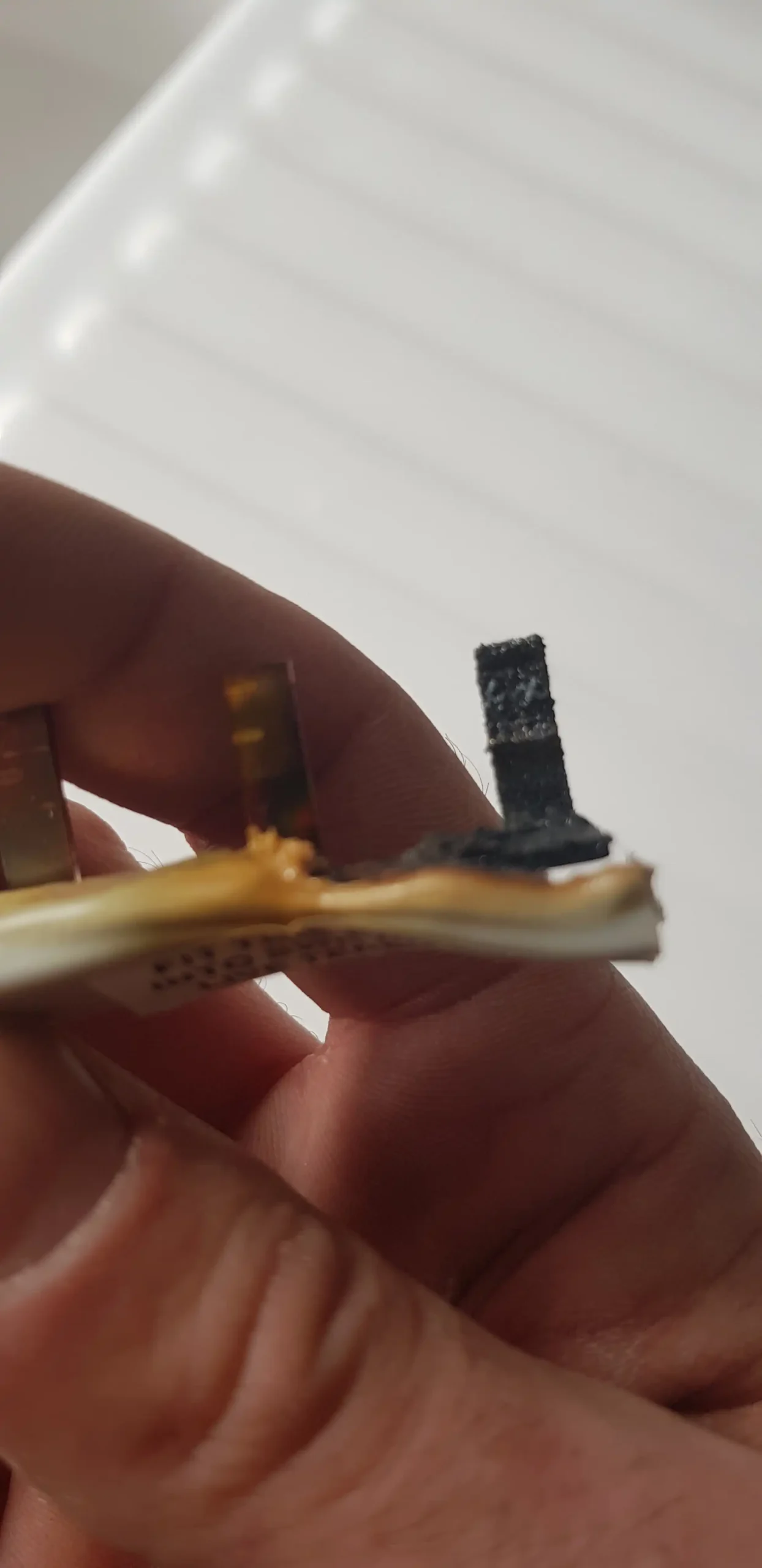
Overheated busbar — C2 finding during EICR inspection, Sidmouth
How much does it cost?
For a typical two or three bedroom property in Devon, expect to pay somewhere between £150 and £300. Larger properties, HMOs, or those with outbuildings and multiple circuits will sit higher. That's a small number relative to a £40,000 fine — or the cost of emergency remedial work on a property that's gone unchecked for a decade.
Does this apply to you?
Who needs an EICR?
Private landlords renting residential properties in England. That's the straightforward answer. If you're a private landlord renting a standard residential property in Devon — you need one. No grey area.
The rules don't apply to:
Social housing providers
Lodgers who share facilities with a resident landlord or their family
Long leases of seven years or more
Student halls of residence
Hostels, refuges, care homes, and healthcare-related accommodation
Short-term lettings
What about holiday lets?
Holiday lets operated through platforms like Airbnb or as furnished holiday lettings don't fall under the same mandatory EICR regulations as standard private residential tenancies.
That said — your insurance almost certainly requires a valid electrical inspection. And your duty of care to guests is no less real than it is to long-term tenants. Most reputable holiday let operators in Devon get EICRs done regardless. It's the sensible thing to do.
A note on accuracy
The fine amount (£40,000) and the Renters' Rights Act date (1 May 2026) in this guide are confirmed from GOV.UK guidance updated November 2025 and are accurate as of April 2026. We carry out landlord EICRs across East Devon every week and keep this information current. If you have a specific compliance question we're happy to talk it through — no obligation.
Where we work
Landlord EICRs across Honiton & East Devon
MP Electrical carries out landlord EICRs across Honiton, Axminster, Ottery St Mary, Sidmouth, Seaton and the surrounding villages. You get a clear, honest report — no jargon, no unnecessary upselling. If the property needs remedial work we'll tell you exactly what, why, and what it costs to put right.
Honiton
Sidmouth
Ottery St Mary
Axminster
Seaton
Colyton
Exeter
Lyme Regis
Blackdown Hills
Otter Valley
Sid Valley